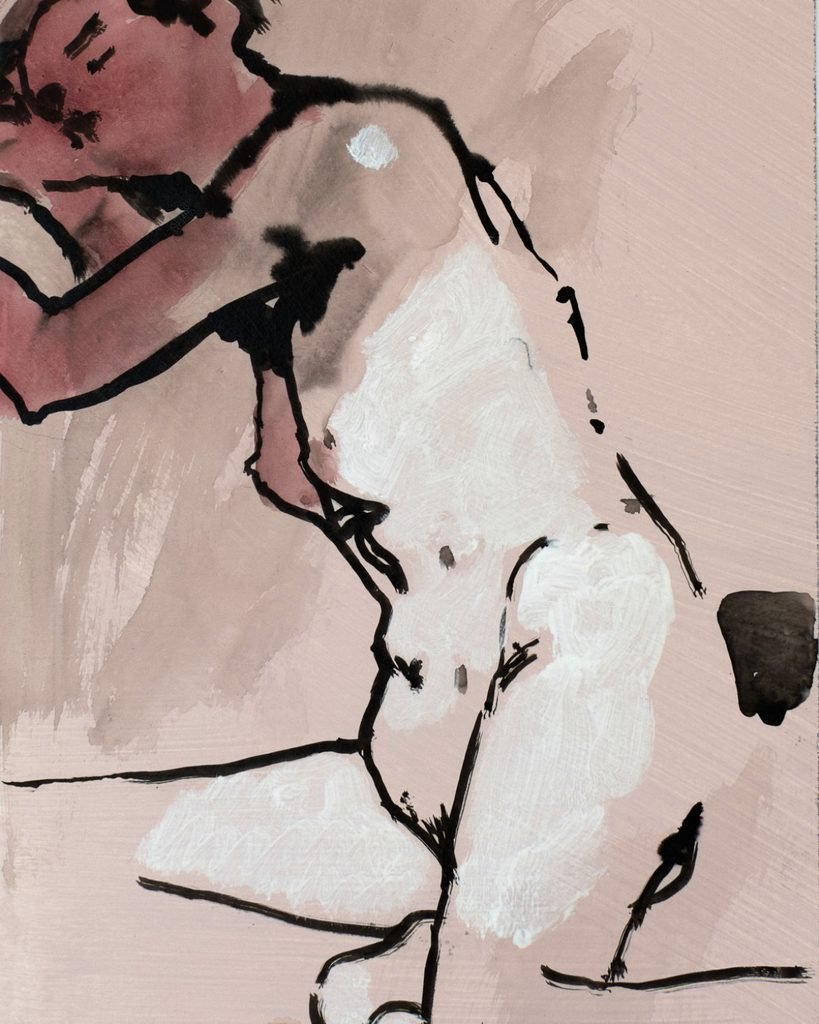
Figure drawing #1
Drawing the model is a traditional part of art school training. Way before getting to that stage we all start by drawing people. Children draw weird amoeba with thin lines for limbs before they learn to interpret what they see differently. Each culture has found ideals of what that representation might be.
The classical european tradition leans heavily towards a realistic rendering where forms and proportions feel believeable. The skills that it taught had verisimilitude as a goal. The figure is a good measure; we’re so familiar with it that any inaccuracies are obvious. Becoming adept is a daunting challenge requiring a significant investment of time and interest.
I used life drawing as a musician uses scales, as practise. It’s a way of training hand and eye, judging proportions, light and orientation as you try to translate forms and volumes in space to a flat surface.
It can be looked at as a technical exercise; one which can be measured objectively. The problems begin when you start to understand that accuracy can kill any visual interest the drawing might have. There are endless accomplished figure drawings that are utterly lifeless just because of their precision. The practise is good but the results lie elsewhere.
Now and then I’ll still choose to try and make an accurate drawing, training the eye and concentrating hard. The result is not necessarily interesting. Other times I’ll focus on something else. Lately I’ve been thinking about what makes an honest drawing. By that I mean a drawing where the manner and technique are balanced with the intention, where the qualities perceived in the subject is subsumed in the result but it still shines out.
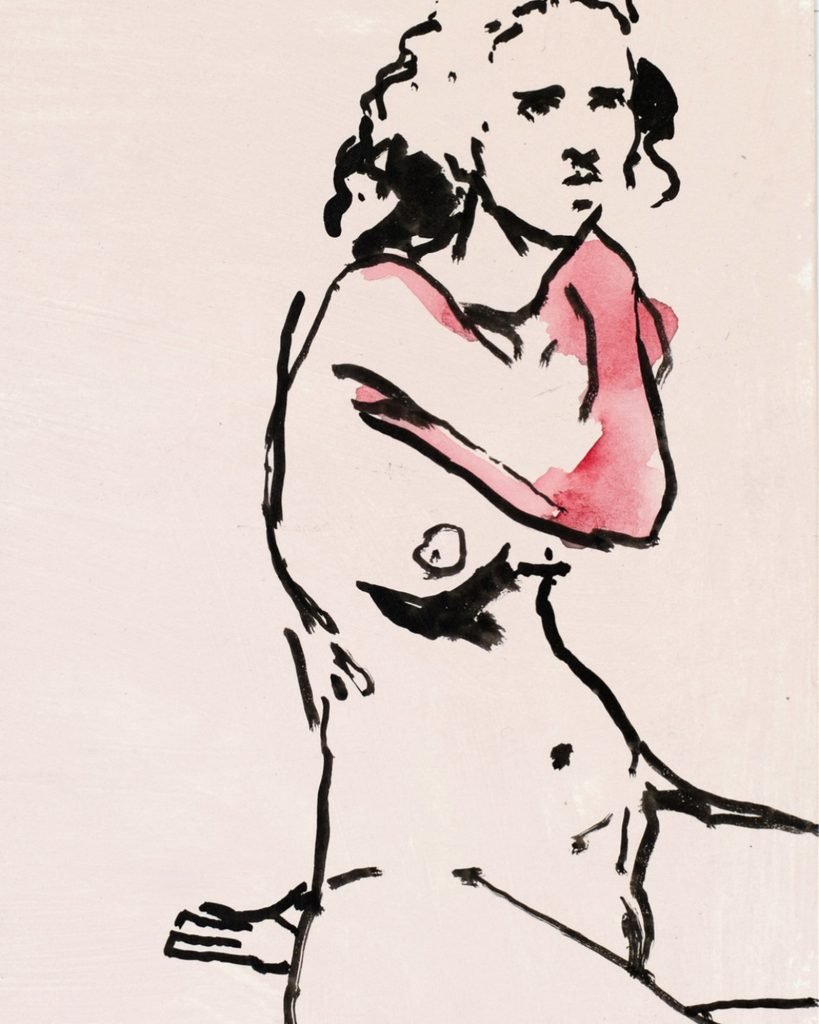
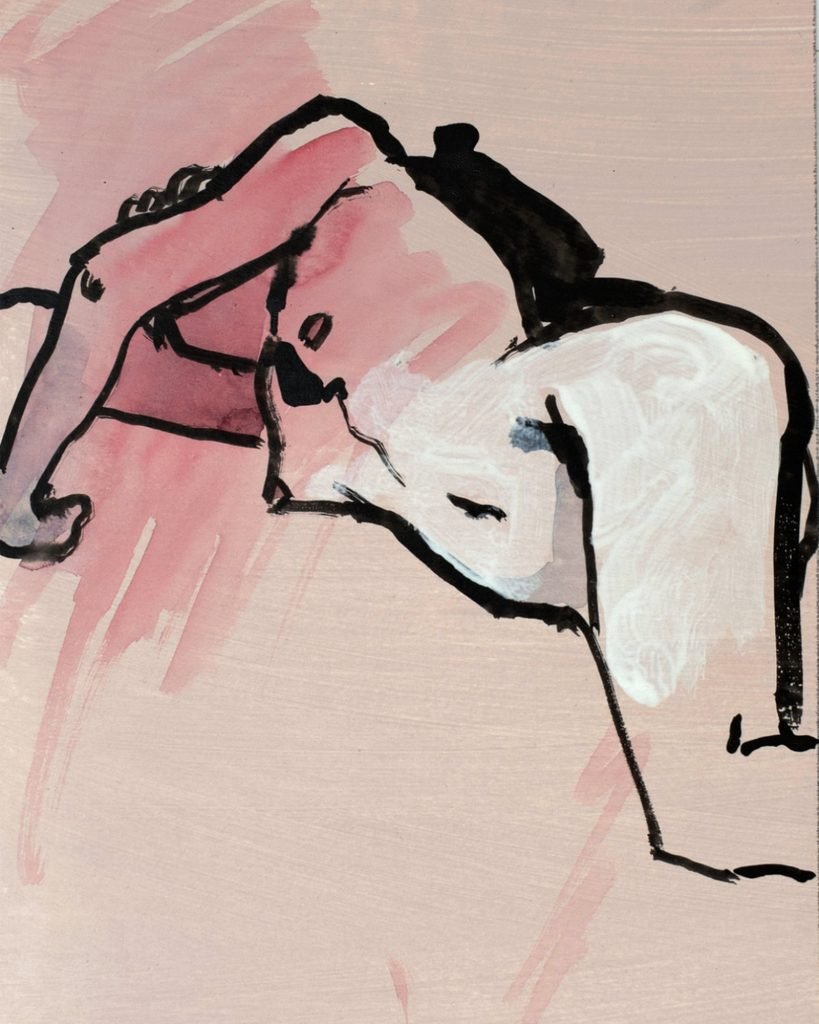
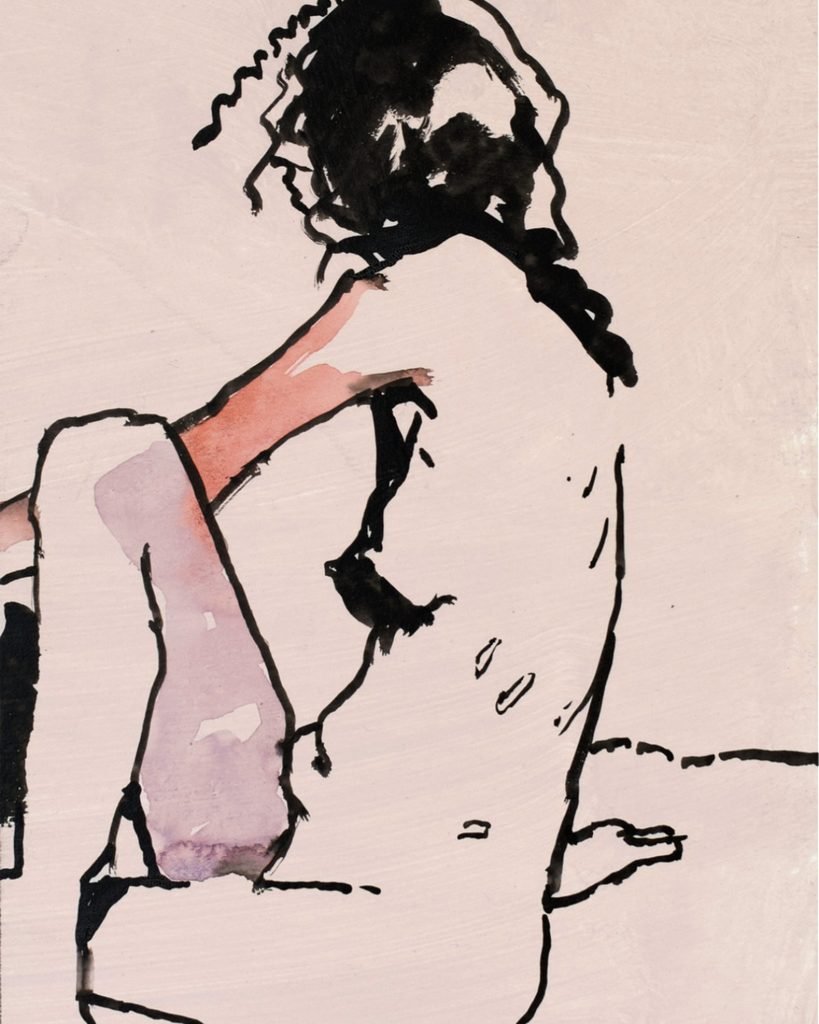
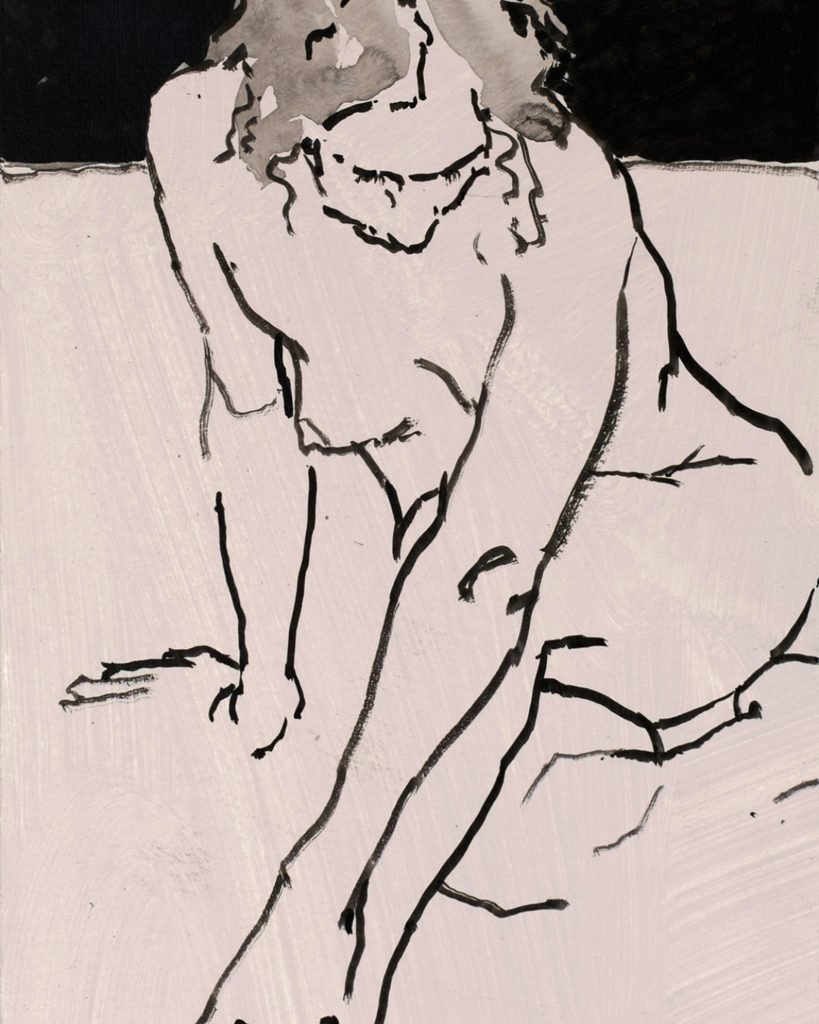
Here are some drawings from this week.
•••••